
We've talked about frequency and how sound shifts your mental and emotional climate. Now take that idea onto the field, the court, the track, the gym.
Athletes have always used music. The locker room playlist that fires everyone up. The headphones that block out the noise during a long run. The quiet track that helps someone recover after a hard session.
The reason it works is simple. Music and sound influence the internal state that athletic performance is built on. When that state is right, output improves. When it's off, even the strongest body underperforms.
How Sound Shapes Performance
Music doesn't replace training, nutrition, or recovery. It supports the invisible layers underneath all of that: focus, arousal, rhythm, motivation, and emotional regulation.
- Arousal and energy regulation. The right track raises intensity when you need to switch on, or brings the system down when you need to settle. Too hyped and you burn energy early. Too flat and you never reach the required intensity.
- Focus and mental clarity. In high-pressure moments the mind scatters. Certain soundscapes narrow attention, quiet the internal chatter, and keep the athlete in the present instead of worrying about outcomes.
- Rhythm and movement efficiency.The body naturally syncs to rhythm. Music with a clear pulse supports pacing, cadence, and fluid movement, whether you're running, lifting, cycling, or moving through complex sequences.
- Motivation and emotional drive.The right song reconnects an athlete to why they're doing the hard thing. It turns effort into something purposeful instead of purely painful.
- Recovery and reset. After intense work the nervous system needs to downshift. Calmer frequencies support that transition, so the athlete arrives at the next session without carrying residual tension.
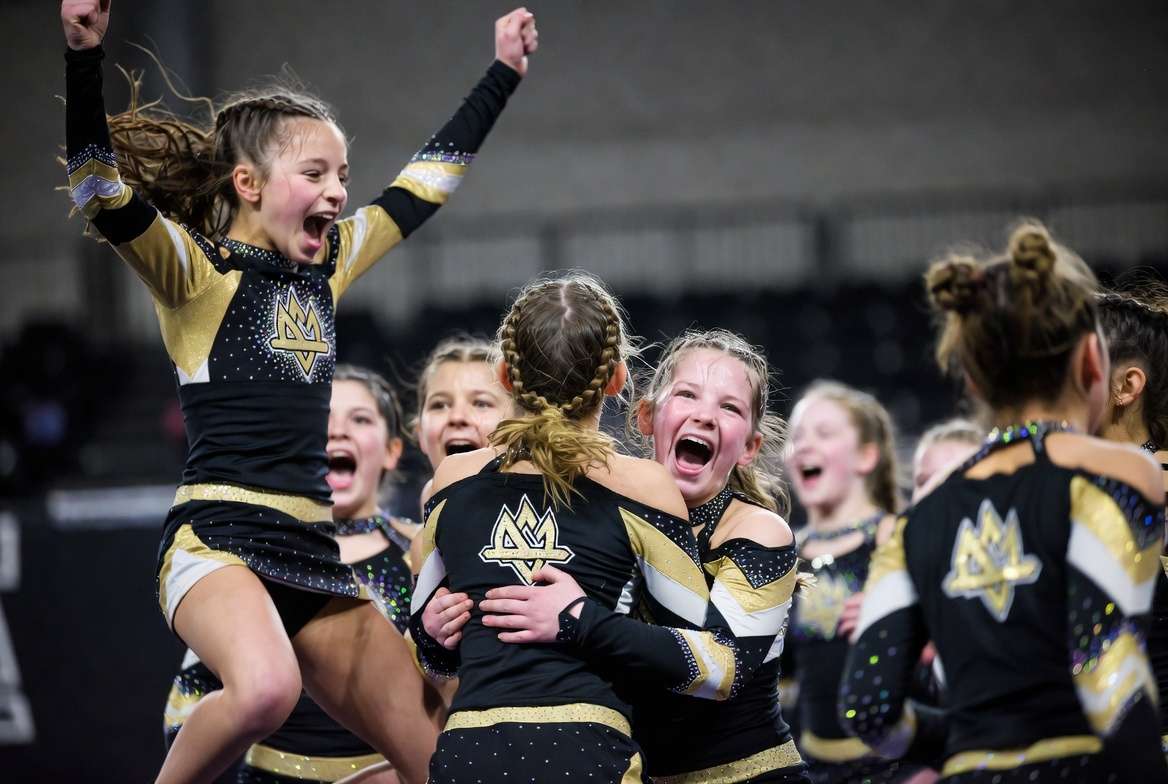
In short, the music you choose becomes part of the environment your body and mind train in. A better internal climate usually means cleaner execution under pressure.
State First, Then Performance
This is the same principle we've been exploring. Your mental and emotional frequency affects what the body can deliver in the moment.
If the internal state is anxious, scattered, or depleted, the same physical skills produce lower results. If the state is focused, appropriately energized, and emotionally steady, the same skills produce higher results.
Athletes who treat music as a deliberate tool are training that internal layer the same way they train strength or technique.
Practical Ways to Use It
- Pre-performance. Choose tracks that bring you into the exact energy and focus that event needs.
- During training. Match tempo and intensity to the work. Use rhythm to support consistent output.
- Between efforts. Short, intentional sound to reset, rather than scrolling or staying in residual stress.
- Recovery windows. Softer, more grounded frequencies to help the system settle.
At HitZERØ we built Resonance Frequency Music with athletes and high performers in mind. The goal is the same as everything else here: give you music that supports the state you want, so your body can express more of its trained potential.
You still do the work. The sound helps you show up cleaner for it.
A Few Questions Worth Sitting With
- What state do I perform my best in, and what music currently gets me closest to it?
- Do I use different sound for training, competition, and recovery, or the same playlist for everything?
- Where does my internal climate break down under pressure, and could intentional sound stabilize it?
- If I treated music as part of my warm-up and cool-down protocol, what would change?
Performance is rarely just physical. The athletes who understand that tend to get more out of the same hours of training.
Fuel the right frequency. Then go execute.